Trump Warns Iran: 48 Hours to Open Strait of Hormuz or Face Power Plant Strikes
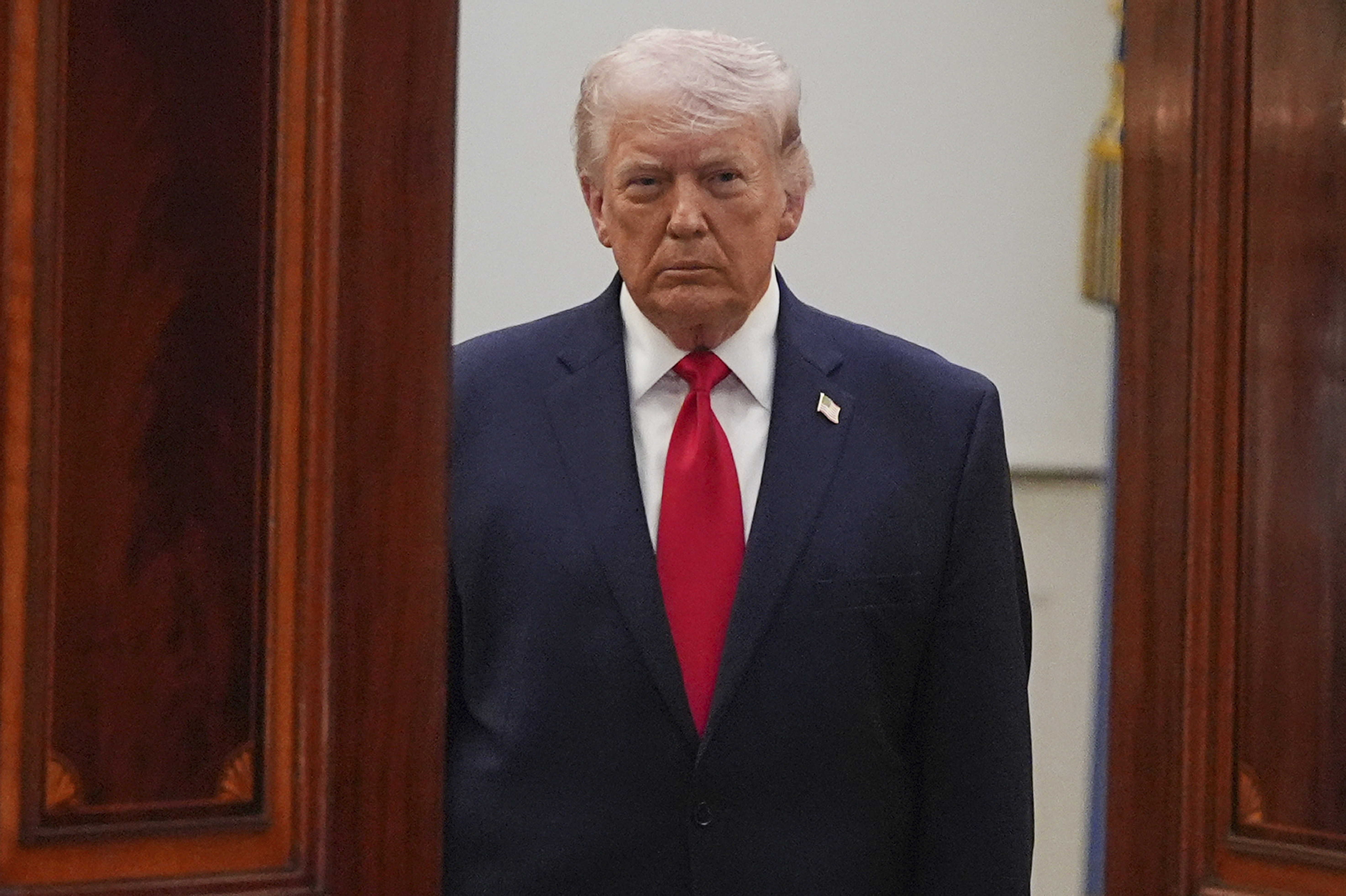
President Trump’s high-stakes ultimatum to Iran over the Strait of Hormuz risks unsettling global energy markets, with New York poised on the frontlines of economic fallout.
New Yorkers are used to living on the edge, but rarely has the city’s fate felt quite so tethered to the stubborn machinations of foreign strongmen. On April 6th, President Donald Trump announced—with his customary bravado—that Iran has 48 hours to broker an agreement reopening the Strait of Hormuz, the world’s most crucial oil artery, or face American attacks on its power plants. The threat, delivered via Truth Social in all-caps augury (“Se desata el infierno sobre ellos,” he warned), landed with a thud on trading desks across Midtown and in the corridors of city government, where prospects of soaring energy prices and heightened security threats already fray nerves.
The diplomatic dramatics are not entirely new. Since late February, when US and Israeli bombardments roiled Tehran, the strait has remained, for the most part, a closed channel. This narrow body of water, no wider than a ferry ride from Battery Park to Staten Island, was responsible for shuttling over 20% of global oil flows in 2023—a linchpin whose strategic value rivals Wall Street’s hold on finance. Mr Trump’s ultimatum, now at its ostensible endgame, leaves the Iranian regime with scant attractive options: acquiescence, or the risk of military escalation.
In the subways and skyscrapers of the five boroughs, such distant disputes may seem a world away. Yet the closure of the Strait of Hormuz has already begun to pinch New Yorkers where it hurts: at the fuel pump, in electricity bills, and at the checkout counters. The city’s refineries and gas stations source much of their fuel from global markets; even a modest hiccup in Persian Gulf flows reverberates rapidly and disproportionately on the gritty streets of Queens and along Park Avenue alike.
First-order consequences are easy to tally. Energy analysts at the city’s Economic Development Corporation reckon wholesale gasoline prices could leap by as much as $1 per gallon should the standoff persist—enough to add $20-40 to the average household’s monthly costs. Commercial tenants, who account for a fifth of the city’s total electricity demand, may be forced to pass along surcharges to already restive patrons. The ripple effects on inflation are unlikely to charm the city’s Federal Reserve officials.
For local businesses, the uncertainty is a toxin. Whether bodegas in the Bronx or financial firms in Lower Manhattan, forecasts for the city’s otherwise buoyant post-pandemic recovery are being hastily rewritten. Anecdotes abound: one Midtown restaurateur mused that projected February payroll costs had ballooned by 8% due to jumpier utility bills. Ride-share drivers, squeezed by both falling demand and unpredictable gas prices, chafe. In a city that measures progress by inches, even marginal swings in input costs can torpedo profit margins.
Second-order impacts, however, may prove no less consequential. Economically, higher energy prices raise the specter of stagflation—a relentlessly dreary mix of tepid growth and rising prices. Politically, Mr Trump’s gamble risks polarising New York’s already febrile electorate, where public opinion on military action remains staunchly divided. Rhetoric about selling “Ormuz oil” and striking “with dureza” (hardness) plays variably among the city’s ethnically diverse population—one in which both Iranian-American and Jewish communities have generational stakes in Middle Eastern affairs.
Officials at City Hall and the state capitol in Albany are studiously noncommittal, anxious not to be seen as either cheerleaders for military adventurism or doomsayers. Mayor Eric Adams, seldom shy about national pronouncements, has urged calm, while privately lobbying Washington for federal energy relief funds. The police department meanwhile is reviewing its terrorism protocols, mindful that external shocks often have a way of inspiring domestic malcontents.
For New York’s residents, already battered by rent hikes and a still-wobbly job market, the prospect of unpredictable swings in oil and gas prices feels acutely unfair. Inflation at the bodega, after all, rarely respects the distinctions between global geopolitics and neighbourhood adversity. Utility providers—Con Edison chief among them—warn of further price volatility and urge conservation. The effect on public morale, a scarce commodity of late, is unlikely to be favourable.
Globally, the imbroglio places America’s largest city within the crosshairs of a world order increasingly built atop fragile supply chains and geopolitical brinkmanship. History offers thin comfort: in 1979, when a similar crisis over Hormuz triggered a cascade of oil shocks, New York endured blackouts and a spike in street crime. Then, as now, efforts to “amass a fortune” from energy disruption proved easier announced than achieved.
Red lines and risk calculations
Other cities watch nervously. From Singapore to Rotterdam, port authorities and energy traders shuffle contingency plans, wary that sabre-rattling in Washington could redraw the map of global commerce overnight. European capitals, too, fret: the closure of the strait tightens their own fuel supplies, pushing inflation rates further above already fraught targets.
Even so, the threat to strike Iranian power stations to reopen Hormuz may be, in the final reckoning, more bravura than blueprint. Military analysts point to the high cost and meagre strategic payoff of such a campaign: Iran’s power plants are dispersive and often dual-use, ensuring any strikes would risk civilian casualties and a diplomatic backlash. Moreover, extended violence in the region could tip global markets into recession, with New York’s service-driven economy bearing the brunt.
Should the standoff endure, cleverer policymakers may yet find paths to de-escalation. The city’s own climate activists, long frustrated by foot-dragging on renewables, now enjoy one of their more potent arguments: so long as Gotham relies on imported hydrocarbons, it will remain hostage to distant squabbles. The danger, if nothing else, may jolt even the most jaded commuter into wishing for a solar panel or a subway extension.
We remain skeptical that muscular threats alone can pierce the fog of mutual suspicion that has so long enveloped U.S.-Iranian relations. The strait may well reopen, but only after both sides extract maximal rhetorical and political benefit. In the meantime, New Yorkers—resilient yet weary—must steel themselves for a painfully literal lesson in global interdependence. ■
Based on reporting from El Diario NY; additional analysis and context by Borough Brief.