US and Israel Strike Tehran, Iran’s Supreme Leader Jamenei Killed as Power Vacuum Looms
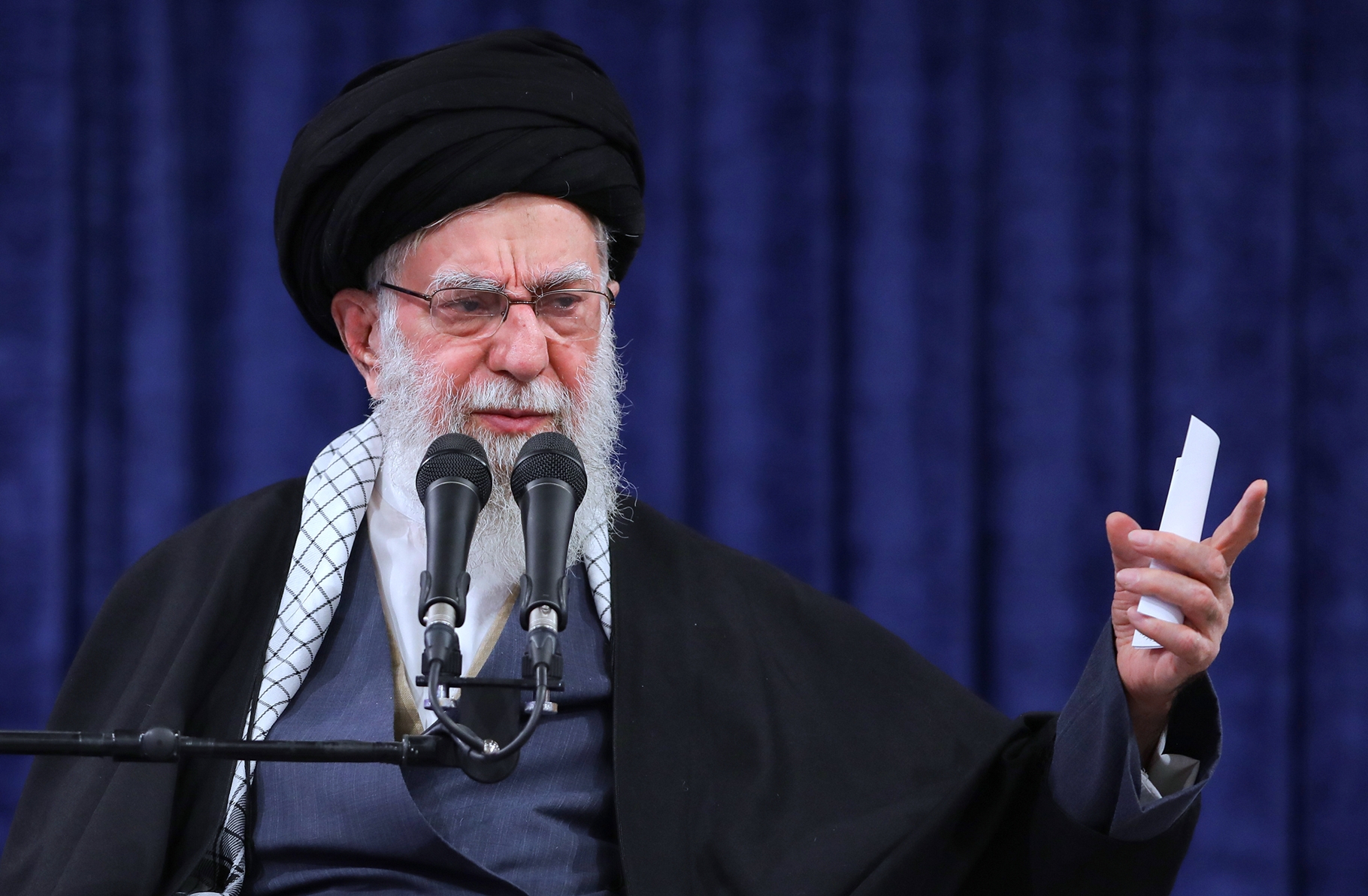
The death of Iran’s supreme leader in a missile strike marks a seismic shift for the Middle East—with implications radiating from Tehran to New York.
Eastern Daylight Time had not yet broken when word reached New York that the Ayatollah Ali Khamenei, Iran’s supreme leader, was dead. State television in Tehran—normally a model of studied opacity—confirmed it with uncharacteristic candour, as US and Israeli strikes left the long-reigning cleric and several family members dead amid a battered capital. Official sources cite over 200 fatalities in Saturday’s attacks, according to early reckoning by the Iranian Red Crescent. The scenes echo far beyond Persian borders.
Ali Khamenei, at 86, had ruled the Islamic Republic since 1989—longer than almost any modern head of state. Now, his death at the hands of American and Israeli missiles, alongside key relatives, represents not only a dramatic escalation in US-Iran tensions but also the most direct killing of a sovereign’s leader by foreign powers in at least a generation. Official statements from Iran’s Revolutionary Guard rail against “the most terrible terrorists” laying low their guide, urging Iranians to rally in a display of unity and “defence national.” Tehran has announced forty days of mourning for its leader, but the aftershocks will last far longer.
What does this portend for New Yorkers, half a world away? The city is home to the largest Iranian diaspora in the United States, its presence embedded from Great Neck’s Persian eateries to the finance offices of Midtown. Local politicians and diplomats, long accustomed to parsing developments in the Middle East, will now grapple with a more febrile situation: anti-Iran tensions and fears of retaliatory actions, which have already prompted NYPD to quietly heighten patrols near embassies, synagogues, and mosques.
Financially, the effects could be yet more immediate. Oil futures spiked more than $8 per barrel in Saturday’s after-hours session, promising a surge in prices at Manhattan pumps and beyond. As energy markets digest the prospect of further disruptions from the Gulf, jittery investors may shun risk and drive up the cost of borrowing. For Wall Street, which in recent years has learned to shrug off many a geopolitical shock, this one looks less paltry.
Further out, the reverberations will test New York’s standing as a locus for global diplomacy. The United Nations, itself headquartered on First Avenue, may soon resemble a debating chamber in overdrive, as ambassadors jostle to make sense of the violence and its consequences. Already, staffing at the Iranian mission has been suspended, and a rare unity of concern is detectable among staffers for Israeli, Arab, and Iranian delegations alike. The city’s substantial security establishment, from the FBI to the Port Authority, now faces the near-term risk of reprisals—however unlikely—on American soil.
Shockwaves beyond Tehran
Nationally, the administration in Washington will seek to frame the attack as decisive action against a longstanding adversary—an argument likely to find traction, or not, depending on one’s political predilections. Donald Trump, eager for vindication, proclaimed Khamenei’s demise on his own Truth Social platform: “One of the most evil men in history has died,” he declared, in characteristically sulphurous tones. His opponents, meanwhile, fret over both the legal authority for the strikes and their wisdom; military action on this scale, they note, has often had unpredictable consequences.
Iran itself enters a dangerous phase. The succession to Khamenei is a prickly question, rendered more complicated by the simultaneous deaths of key relatives. Whoever emerges as supreme leader—possibly within a “council” now mooted by reformists—will govern a polity both traumatised and galvanised by foreign attack. National unity may exist in rhetoric, but fissures between hardliners, reformers, and demoralised moderates have rarely looked so obvious. State organs now call for mass mobilisation and forbearance in the face of “exterminators,” yet the coming weeks will likely be marked by confusion and internecine jockeying.
Globally, the episode draws uncomfortable lessons. Direct action by the United States and Israel against an incumbent foreign head of state is a rare and hazardous precedent (the last U.S. equivalent being Saddam Hussein’s overthrow, but never in so direct a manner). Allies in Europe and Asia, reliant on both Middle Eastern oil and relative stability, will now weigh calls for de-escalation against pressure to fall in line with Washington and Jerusalem. Early statements from Brussels and Beijing strike carefully mincing notes, advocating peace while avoiding overt condemnation or support.
If the past is any guide, the fallout will extend far beyond parade grounds and oil fields. Iran’s proxies in Lebanon, Syria, Iraq, and Yemen may seek revenge, provoking further escalation. Cyber-attacks against the West, a signature of Iranian retaliation in the 2010s, could snarl institutions from New York to Singapore. For a city so self-assured in its cosmopolitan resilience, even a few days of heightened alert—and elevated gasoline prices—can feel like a rude awakening.
How should New Yorkers weigh this moment? We reckon it prudent to remember that the city’s openness—its tolerance and translucence—remains its bulwark against imported rage. While it is tempting to indulge in anxious speculation or the muscular chest-thumping of distant hawks, history suggests that durable solutions tend to lie in negotiation, patience, and the quiet pursuit of shared interests. Scepticism about easy victories is advised.
The United States, for all its might, has learned before that beheading enemy regimes rarely yields neat or durable victories. Yet, the removal of so iconic a foe, for better or worse, recasts the landscape: diplomacy, energy, and the micro-politics of daily life, even on New York’s streets, will realign. This is, after all, the nature of big city living: global tremors register, faintly but persistently, on every corner.
Whatever the next days hold in Tehran, America’s largest city will watch both warily and with a characteristic mixture of unease and indifference. Not for the first time, New Yorkers may discover that the world’s passions, while often remote, are never quite out of reach. ■
Based on reporting from El Diario NY; additional analysis and context by Borough Brief.