US Strikes on Iran Prompt NYPD Alert and Could Nudge City Gas Prices Higher
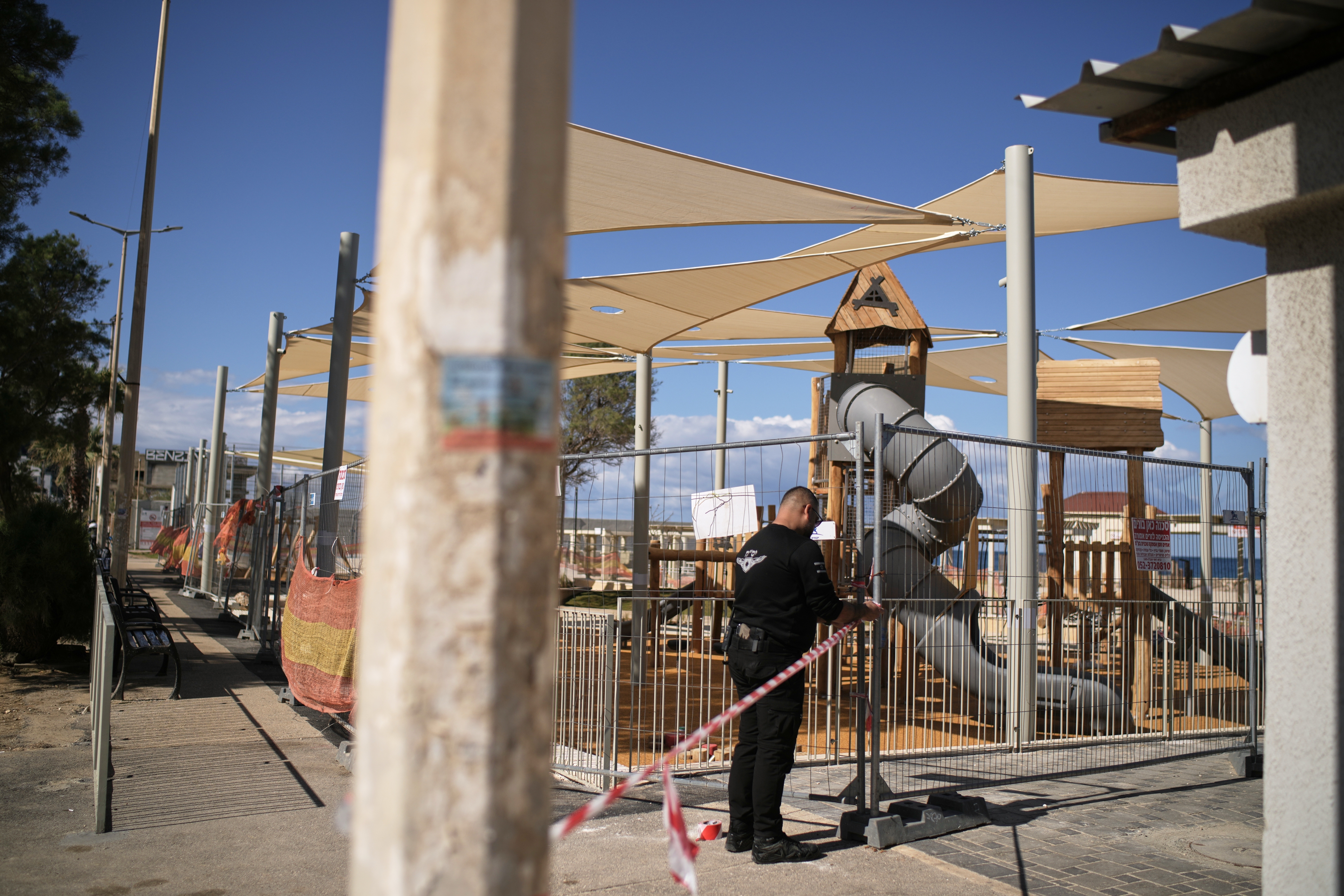
America’s fresh intervention in Iran reverberates in New York, unsettling security and threatening to squeeze wallets across the five boroughs.
New Yorkers, schooled in the art of living with distant threats, can be forgiven for a sense of déjà vu. As news broke of coordinated American and Israeli strikes against targets in Iran—this time amid the sacred hush of Ramadan—police tape unfurled anew on city blocks and digital warning sirens reverberated far beyond the Persian Gulf. Yet, unlike past conflicts, the city’s omnipresent anxieties now extend from the subway to cyberspace, and from gas pumps to grocery checkouts.
The latest military moves, with Washington and Jerusalem at the helm, are not just geopolitical theatre played out overseas. According to the NYPD, the department has “reinforced patrols in sensitive locations”: consulates, synagogues and mosques, cultural centres, and anywhere else that might provoke a ripple in the city’s delicate mosaic. Residents—already weaned on the city’s unique blend of alertness and stoicism—are urged to remain vigilant, dialling 1-888-NYC-SAFE at any hint of trouble.
The timing is pointed. The strikes occurred during Ramadan, a period of introspection and community for New York’s hundreds of thousands of Muslims. Events that coincide with religious observances, history suggests, rouse tempers and harden positions, both among the faithful abroad and their neighbours at home. Mayor Adams and community leaders know well the double bind: to reassure without patronising, to protect without fanning the flames of suspicion or scapegoating.
But the fallout is hardly limited to matters of faith or neighbourhood amity. The Middle East’s capacity to roil global oil markets remains unparalleled. Iran is a lynchpin of world energy flows; the Strait of Hormuz, through which nearly a fifth of global petroleum is shipped, sits uncomfortably close to the epicentre of hostilities. Memories linger of past Mideast flare-ups that sent oil prices soaring within days, raising the spectre of higher petrol bills for drivers from Bensonhurst to the Bronx.
Nor does the ripple end there. Rising energy costs are notorious for unspooling their effects elsewhere: the price of transporting goods, running delivery trucks, heating homes. Add a dash of inflationary pressure—already a bête noire for the Federal Reserve—and New Yorkers could soon feel the pinch at bodegas and bakeries as much as at the pump. Wall Street, ever alert to instability, is poised for fresh jitters in coming weeks.
Risk is not solely a matter for markets or commodities traders. The Department of Homeland Security has, in dry memoranda, reminded cities that geopolitical skirmishes of this scale often summon digital mischief: cyber-attacks, phishing ploys, and critical infrastructure hacks. New York’s vital networks—hospitals, utilities, even subway signaling—stand perennially exposed to actors far beyond the city’s limits.
Some might dismiss such hazards as the occupational hazard of a “global city.” But the facts are not comforting. In the wake of previous regional conflagrations, Iranian-aligned groups and ambitious keyboard warriors have targeted everything from small businesses to major banks with denial-of-service attacks or ransomware. The cost of digital recovery can be both monetary and psychological; the anxiety of a frozen bank account or darkened traffic grid is hard to quantify and harder to ignore.
A shifting mosaic: economic and social reverberations
Beyond security concerns, the knock-on effects could weave through the fabric of everyday life. New York, a hub for international trade and finance, finds itself exposed to disruptions in global shipping or technology supply chains—a lesson learned the hard way during the pandemic’s early days. Sectors dependent on imports or overseas contracts, whether in tech, textiles, or freight, may soon find margins eroded by costs they cannot control.
There is also the matter of public sentiment. In a city famously tolerant, but occasionally brittle, fraught international moments have in the past laid bare both prejudices and solidarities. Community advocates and civil libertarians will hope that official vigilance does not shade into blunt over-policing or ethnic profiling, a concern raised not just in the city’s mosques but at its universities and courtrooms.
Nationally, America’s foray into another Middle Eastern entanglement invites weary comparison with previous misadventures. Polls suggest public patience is thin for foreign conflicts with hazy objectives or open-ended costs. At the city level, this translates into political headaches for elected officials—pressure to project strength, yes, but also to shield budgets and keep attention on bread-and-butter issues like housing and transit.
Compared with other global financial capitals, New York’s exposure to such global flashpoints is, if anything, augmented. London and Paris share terrorism worries, but the city’s unmatched ties to world energy markets and the density of its immigrant communities afford it both strength and vulnerability. Unlike smaller cities, New York’s position as a symbolic and logistical target is rarely in doubt.
Does all this portend a period of doom or only uneasy muddling through? The record is mixed. New Yorkers have proven admirably resilient in the face of distant turmoil—witness the relative calm after the September 2019 strikes on Saudi oil fields or the mercurial aftermath of the Ukraine invasion. Yet a cascade of modest shocks, rather than one punishing blow, often proves most vexing: higher prices here, a digital outage there, a sense of grinding insecurity.
If there is cause for optimism, it is rooted less in faith in distant diplomats or military deterrents and more in the pragmatic capacities of the city’s institutions and its people. The NYPD’s coordination with federal and international partners, while far from infallible, has matured noticeably since darker days. So, too, have public expectations: a population both demandingly sceptical and, in practice, cooperative when genuine alarms sound.
For now, as Ramadan’s final nights pass under a wary watch, the best advice may be what die-hard New Yorkers already know well—to brace for the global, adapt to the local, and keep one eye on the horizon for the burdens or boons yet to arrive. ■
Based on reporting from El Diario NY; additional analysis and context by Borough Brief.