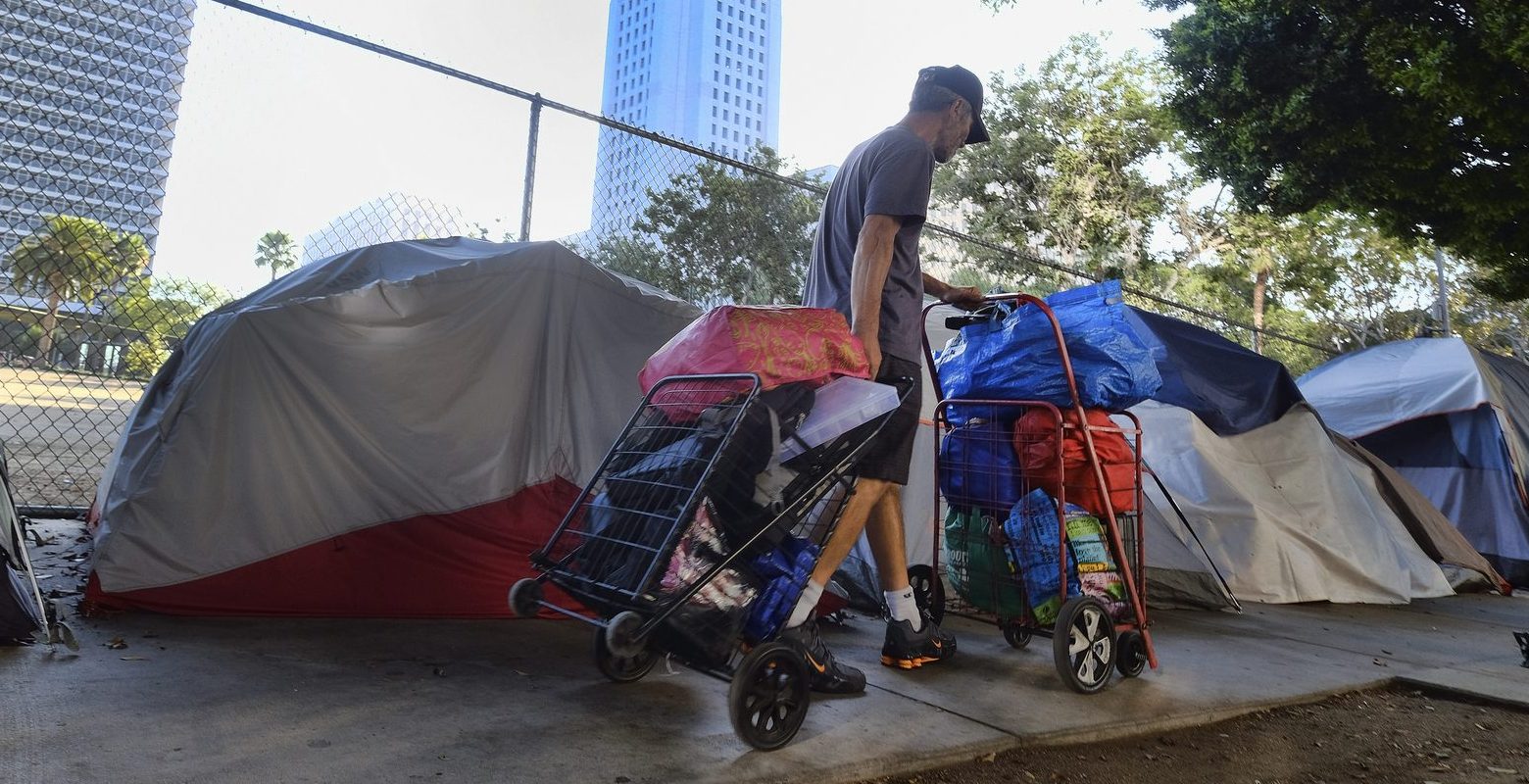
Funds for America’s Emergency Housing Voucher scheme—meant to shield at-risk families and abuse victims—have evaporated four years early, leaving more than 70,000 people, including New Yorker Lashonne Smith and her children, scrambling for options. The cost of Manhattan rent now averages $5,000, with public housing queues stretching past 150,000 hopefuls; evidently, the only truly affordable thing in Brooklyn may now be panic.
New York City in brief
Top five stories in the five boroughs today
The Department of Homeland Security has proposed a rule that could bar asylum seekers from applying for work permits until the government untangles its years-long backlog—potentially a wait between 14 and 173 years. With 2.3 million already working legally and U.S. labor shortages acute, we wonder how starving industries of willing hands (and $25.7 billion in tax revenue) will play in Peoria—let alone Washington.
New York’s Mayor is dispatching city staffers and volunteers—with Zohran Mamdani’s Organize NYC pulling the strings—to urge tenants and landlords alike to sound off at June’s Rent Guidelines Board hearings, which will shape rents for around 1 million stabilized apartments. Public testimony last year barely filled a city bus, but this spring’s door-knocking might just pack the chamber—or at least the comment box.
The U.S. Supreme Court’s conservative majority, led by Justice Alito, this week further clipped the wings of the Voting Rights Act of 1965 in Louisiana v. Callais, narrowing protections originally meant to shield Black voters from discrimination. With Congress long sidelined and the Court increasingly equating color blindness with justice, American democracy may need more than a legal facelift, but at least the lawyers will stay busy.
New York’s wrangling over Governor Kathy Hochul’s bid to stall the 2019 Climate Law has put billions in potential investments for Black and Latino neighborhoods on ice. The cap-and-invest scheme, expected to generate up to $5 billion annually, reserves hefty sums for disadvantaged areas—think Harlem, the Bronx, and parts of Brooklyn. If Albany dithers, skyscrapers may not be the only thing rising: so too might utility arrears and eyebrow heights.